Hearing aids / Behind-the-ear

Behind-the-ear hearing aids
The strongest and easiest to handle. The aid sits behind your ear and sound travels down a slim tube or a custom mould.
-
Essential
Rechargeable +£150 · 2-year warranty
£1,195 a pair
-
Advanced
Rechargeable +£150 · 3-year warranty
£1,995 a pair
-
Premium
Rechargeable +£150 · 4-year warranty
£2,895 a pair
Prices include fitting and aftercare. 30-day home trial on every pair.
Behind-the-ear aids are the workhorse of hearing care. The electronics sit in a small case behind the ear, and the sound reaches your ear canal through a thin clear tube or a soft mould made to the shape of your ear. Because the case is larger than an in-the-ear aid, it has room for a bigger speaker and a bigger battery, so it can drive more sound with less feedback.
Who they suit
They suit almost every kind of hearing loss, and they are the first choice when loss is moderate to severe. They also suit people with arthritis or reduced feeling in their fingers: the case is easy to hold, the battery door is large, and there is a proper button for volume.
If you already wear glasses, we fit the aid so it sits snugly under the arm of the frame. Most people stop noticing it within a week.
What the fitting looks like
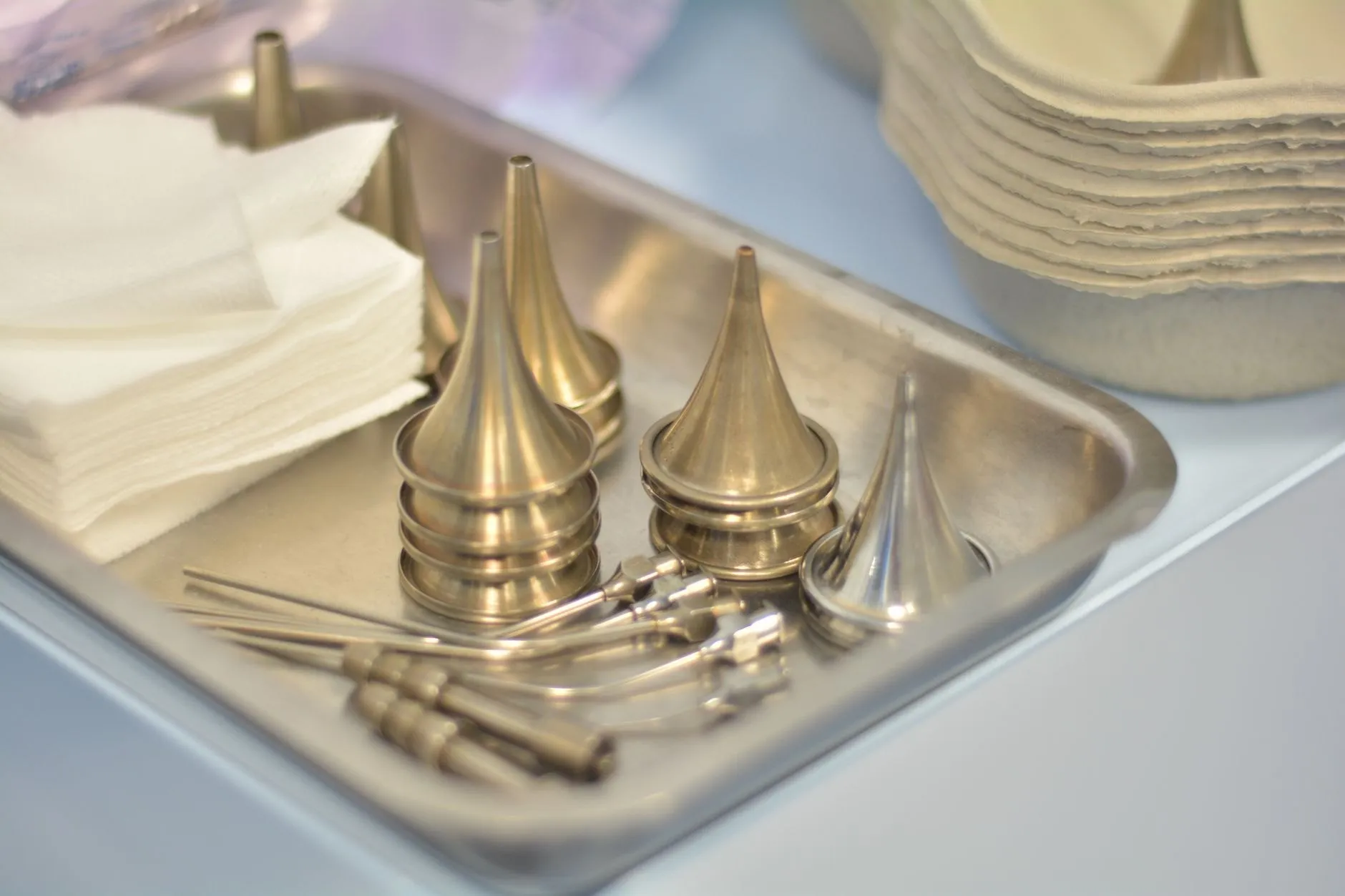
At your fitting appointment we take an impression of your ear if you need a mould, then measure the sound in your ear canal with a fine probe while the aid plays. That measurement, called real-ear measurement, is how we know the aid is doing what your audiogram asks for rather than what a default setting assumes.
You go home the same day with the aids, a cleaning kit, a year of wax filters and a written sheet with your programmes on it.
Rechargeable or batteries
Every tech level is available with a rechargeable battery for £150 more per pair. A night in the charger gives a full day of use including streaming. If you would rather keep spare batteries in a drawer, size 13 cells last around ten days.
The other two styles
In-the-ear hearing aids
From £1,395 a pair
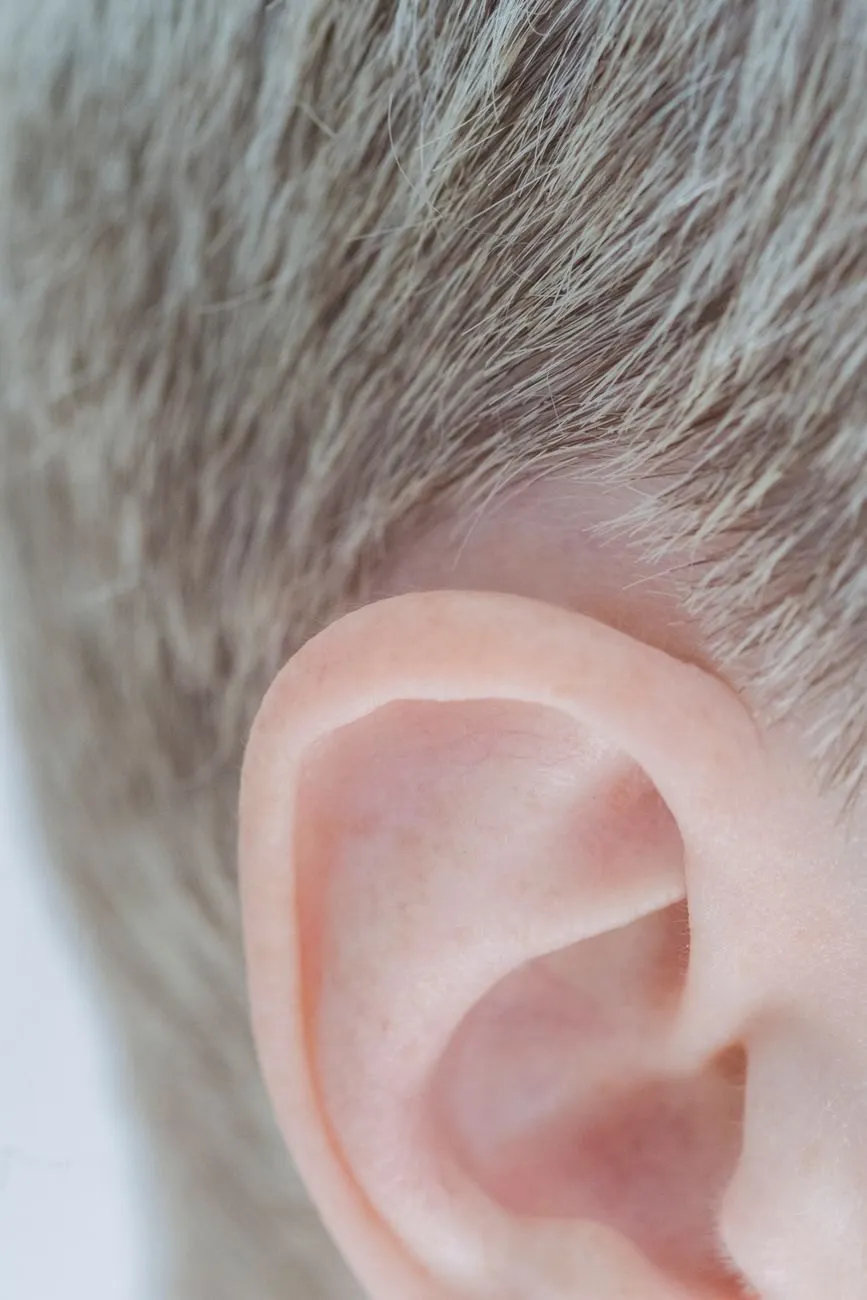
Made to an impression of your own ear, with nothing sitting behind it. Easy with glasses, masks and hats.

Rechargeable hearing aids
From £1,495 a pair
Small receiver-in-canal aids that live in a charging case overnight. No batteries to change, a full day from one charge.